

Blue Ridge Reservoir is one of the best weekend camping escapes from Phoenix if you want cooler weather, forested scenery, and a quieter alternative to Arizona’s more obvious summer destinations.
Instead of battling traffic to Flagstaff or squeezing into crowded spots near Sedona, you can head north and find dispersed campsites tucked into the pines, with access to a peaceful low-traffic reservoir that feels far more secluded than you’d expect for the drive.
What makes Blue Ridge especially appealing is the combination of shade, water, and privacy. You get the kind of setting that feels restorative instead of overstimulating: tall pines, calm water, mountain views, and enough room to actually enjoy being outside.
This guide covers what Blue Ridge Reservoir is like, when to go, how to find dispersed camping in the area, where we camped, and how to plan a relaxed weekend around it.
Blue Ridge Reservoir Camping at a Glance
Best for: forested dispersed camping, swimming, paddling, fishing, and a peaceful weekend away from Phoenix
Vibe: cool, shady, serene, and much quieter than Arizona’s more obvious summer escapes
Road access: manageable on main forest roads, with rougher side roads leading to more private dispersed sites
Best vehicle: a higher-clearance vehicle is ideal, especially if you want the more secluded spots
Amenities: very limited, so come prepared to be self-sufficient
Cell service: limited to very spotty
Best season: late spring through early fall
Ideal trip length: two to three nights
Highlight: calm water, shady pines, and genuinely quiet dispersed campsites
Best for travelers who: want a lake-and-forest camping trip without the usual Arizona crowds
Table of Contents
- Why Camp at Blue Ridge Reservoir?
- About Blue Ridge Reservoir
- Getting There & Essential Logistics
- Dispersed Camping Rules at Blue Ridge Reservoir
- When to Go: Best Seasons for Blue Ridge Reservoir Camping
- Where to Find Dispersed Camping at Blue Ridge Reservoir
- My Dispersed Campsite on Forest Road 138
- How to Spend a Weekend at Blue Ridge Reservoir
- Meals That Work Well for Blue Ridge Reservoir Camping
- FAQ: Blue Ridge Reservoir Camping

Why Camp at Blue Ridge Reservoir?
Blue Ridge Reservoir is one of the best long weekend camping escapes from Phoenix if you want cooler weather, forested scenery, and actual breathing room. It gives you a combination that’s hard to find in one place: dispersed camping in the pines, calm water, and enough space for the trip to feel peaceful instead of packed.
Why Blue Ridge Reservoir is worth it:
- It combines forest, water, and privacy in a way that feels surprisingly rare within a manageable drive from Phoenix.
- The setting is cooler, shadier, and more comfortable than a typical desert camping weekend.
- There are plenty of dispersed camping options in the area, which gives you a better shot at finding a site that fits your style.
- The reservoir gives you more to do, whether you want to swim, paddle, fish, or simply spend time near the water.
- Firewood was easy to find in the area, which made campfires and fire-based cooking much more realistic than on a desert trip.
- There are hiking options nearby too, so you can build in more than just camp time if you want a fuller weekend.
- It can still feel peaceful even on a weekend, which is a big part of what makes it so appealing.

About Blue Ridge Reservoir
Blue Ridge Reservoir, also known as C.C. Cragin Reservoir, is a narrow mountain reservoir in Arizona’s Mogollon Rim country. Surrounded by steep canyon walls and tall ponderosa pines, it has a much more tucked-away feel than many of Arizona’s better-known lakes.
Key characteristics of Blue Ridge Reservoir:
- Alternate name: C.C. Cragin Reservoir
- Elevation: over 6,700 feet
- Landscape: high-elevation forest, steep canyon walls, and ponderosa pines
- Shape: long, narrow, and winding
- Shoreline feel: more enclosed and cove-like than broad and open
- Boating rules: more restricted than many Arizona lakes, with limits on motor size
Getting There & Essential Logistics
Blue Ridge Reservoir is an easy weekend trip from Phoenix, but it still rewards a little preparation. The simplest approach is to head north and access the area from Highway 87 via Forest Road 751.
Logistics to know before you go:
- Drive time from Phoenix: usually around 2.5 to 3 hours
- Best sites: the more private dispersed spots usually take a bit more scouting, so plan for extra time.
- Cell service: limited to very spotty, so download offline maps ahead of time
- Road conditions: can change with weather and season, so check conditions before you go
- Vehicle: some sites are easier to reach than others, but higher clearance is the more comfortable choice
- Planning tip: have your map, campsite coordinates, and backup options ready before you leave pavement
Dispersed Camping Rules at Blue Ridge Reservoir
- No permits are generally required for dispersed camping in the areas discussed here, but always follow posted signs and restrictions on the ground
- Camping on Coconino National Forest is limited to 14 days in any consecutive 30-day period.
- On Coconino travel maps, motor-vehicle access for dispersed camping is generally allowed only within 300 feet of designated road segments, so it’s smart to verify where camping is allowed rather than assuming every pull-off is fair game. (The forest roads mentioned in this article are!)
- Fire restrictions may be in place depending on season and conditions, so always check before planning on a campfire.
- Black bears are part of Coconino National Forest, so store food, trash, and scented items carefully even if you never see one.
- Pack out what you pack in, and leave the area as you found it so these dispersed camping spots stay clean and usable for the next people who come through.
- For current road conditions, closures, and fire restrictions, check :
When to Go: Best Seasons for Blue Ridge Reservoir Camping
The best time to visit Blue Ridge Reservoir is late spring through early fall, when the higher elevation brings cooler temperatures, more shade, and much more comfortable camping weather than the desert.
- May–June: mild temperatures, lower crowds, and a really nice balance of warm days and cool nights
- July–August: the warmest months, great for swimming, but afternoon monsoon storms are more likely
- September: crisp mornings, fewer visitors, and stunning early fall colors
- Winter: colder conditions, road closures, and a much less practical setup for most campers
We went in late May, and it felt like an ideal window: warm enough to swim during the day, but cool and comfortable in the mornings and at night!
Where to Find Dispersed Camping at Blue Ridge Reservoir
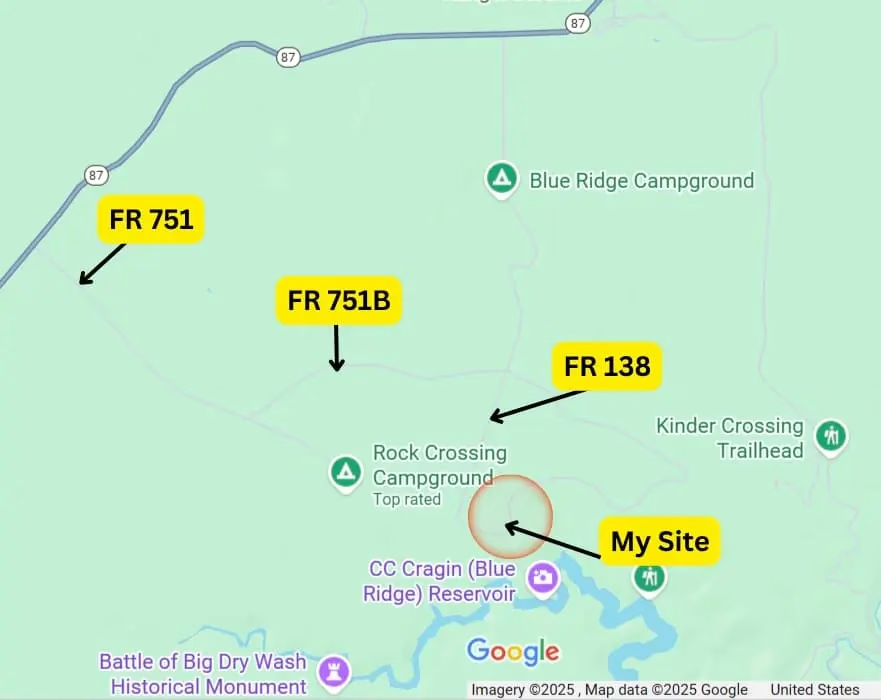
Dispersed camping near Blue Ridge Reservoir takes a little scouting. I started on Forest Road 751 off Highway 87 coming from Phoenix, then kept exploring farther out until the sites felt more private and less trafficked.
A few things to keep in mind while scouting campsites here:
- Forest Road 751 is a good starting point if you’re coming from Phoenix and want to begin searching near the reservoir.
- There are multiple forest road access points in the area, so your exact route may look a little different depending on where you start and which sites you want to scout.
- The first sites you see may not be the best ones, especially if privacy is a top priority.
- You cannot camp beyond the posted point closer to the water, so don’t expect to set up right along the reservoir.
- Smaller side roads can lead to better options, especially if you’re willing to keep exploring instead of settling for the first decent pull-off.
- Forest Road 751B and Forest Road 138 were where the options improved for us, with more secluded and spacious dispersed camping possibilities.
- A four-wheel-drive vehicle is especially helpful if you want access to more tucked-away sites or places where you can pull farther into the forest.
- Good dispersed camping etiquette matters. If someone clearly chose a site for privacy, give them space and keep looking for something out of sight and earshot.

My Dispersed Campsite on Forest Road 138
We found our site on Forest Road 138, and it was the kind of spot that immediately felt worth the extra scouting. It sat off a quiet road in a wide stretch of forest, with plenty of room for our tent, screen house, fire setup, and car without ever feeling cramped.
One of the best parts was how much space we still had beyond the main campsite. Walking farther into the woods opened up the view even more, which made the whole area feel even more private and peaceful!
There wasn’t a direct route down to the water that we could find from camp, but that tradeoff was absolutely worth it for the privacy. We literally didn’t see or hear another soul at this site.
The reservoir was still only about a 15-minute drive away, so it was easy to head down for a swim without giving up the kind of secluded site we were hoping to find.
Site Coordinates: 34° 33′ 36″ N 111° 12′ W


How to Spend a Weekend at Blue Ridge Reservoir
Blue Ridge Reservoir works well as either a slower reset or a fuller long weekend with more built-in activity. Between the reservoir, dispersed camping, nearby hiking options, and the forest setting, you can make this trip as laid-back or as full as you want.
Arrival Day: Set Up and Head to the Water
If you can get out early, Blue Ridge is a great Friday arrival destination. That was the sweet spot for us: enough time to get camp set up without rushing, then still have most of the day ahead. Once we were settled, we headed down to the reservoir to swim.
GPS for swimming access: 34°33’17.3″N 111°11’39.4″W
There is a short, steep path from the parking area down to the water.
The parking lot was nearly empty when we visited, and although we passed a small group at first, it didn’t take much walking along the rocky shoreline to find a quieter stretch of water for ourselves.
That ended up being one of the highlights of the whole trip: a calm afternoon swimming at the lake with our dog without any of the crowding that usually comes with Arizona water destinations. We even saw bald eagles overhead while swimming, which made the whole afternoon feel even more special!
After that, we headed back to camp for dinner, sunset, and a very peaceful first night by the fire.

Full Day: Water Time, Camp Time, and Optional Exploring
The second day is where you can really shape the trip around your mood. You could spend more time at the reservoir swimming, paddling, or fishing, build in a nearby hike, or enjoy a slower day at camp with cards, reading, and time by the fire.
That flexibility is part of what makes Blue Ridge so appealing. It works whether you want a more active weekend or just a peaceful forest campsite with beautiful scenery and access to the water.
Meals That Work Well for Blue Ridge Reservoir Camping
Blue Ridge is the kind of destination where the meals can feel like part of the fun rather than just something to get through. With cooler weather, forest shade, and a more comfortable camp setup, it’s a great place for a mix of easy daytime food and a couple meals that feel a little more special.

Breakfast
Breakfast at Blue Ridge can go either way. You can keep it simple with coffee and something easy before heading out for the day, or lean into a slower morning with a more satisfying camp breakfast while the fire gets going:


Lunch
Lunch works best when it’s simple and flexible, especially if you’re spending part of the day at the reservoir or out exploring nearby:

Dinner
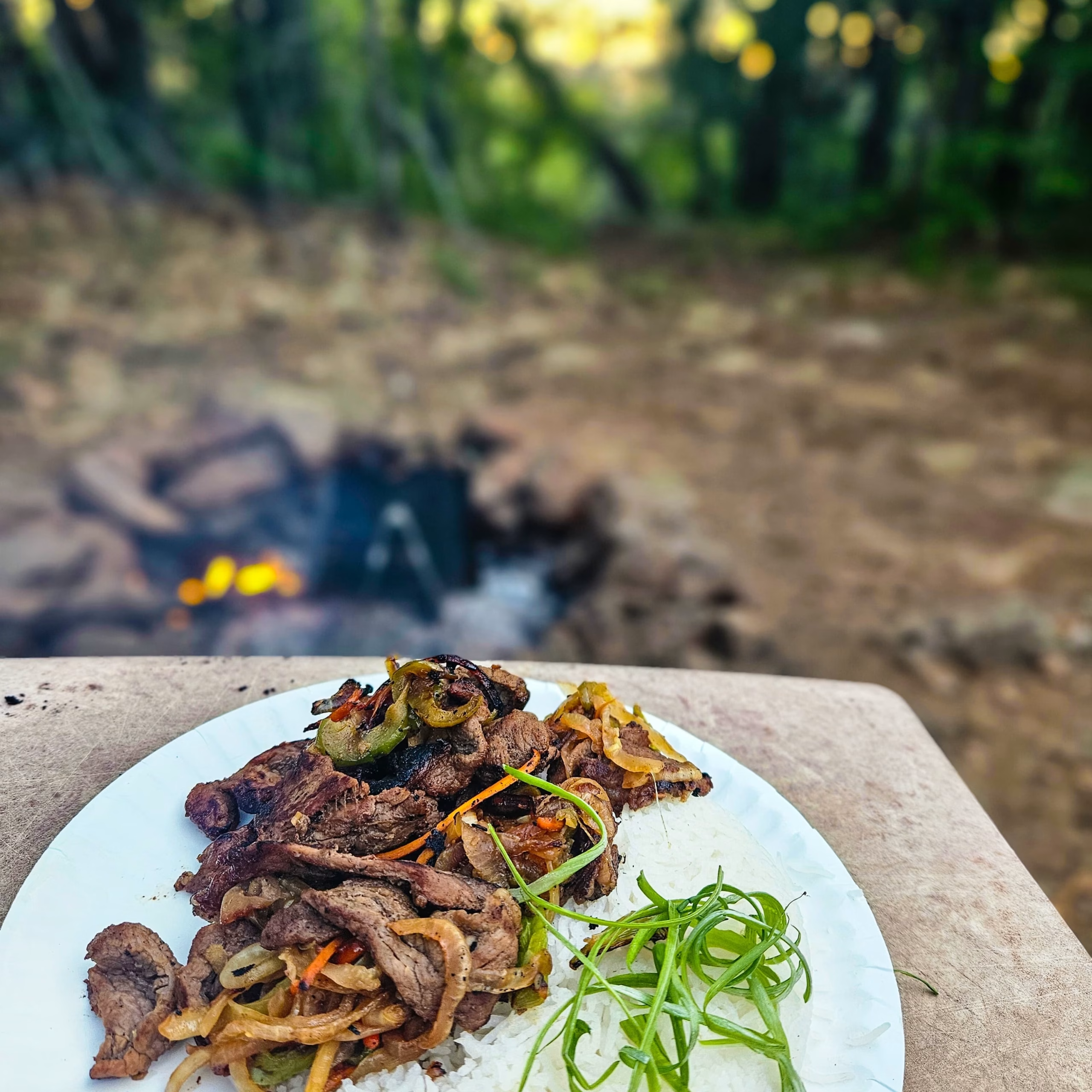
Dinner is where Blue Ridge really lends itself to meals that feel a little more elevated without making camp cooking stressful.

Dessert
A cooler forest campsite is the perfect setting for something sweet by the fire:

Drinks
Blue Ridge is a great place for cocktails you can prep ahead at home, then enjoy at the lake or back at camp. For this kind of trip, the best options are easy to transport, easy to pour, and relaxing to sip once everything is set up:


Departure Day: A Slow Morning and a Stop in Pine or Strawberry
One of the best things about Blue Ridge is that it can still feel good on the last morning. Some dispersed camping trips have you ready to pack up and get out as quickly as possible, but this wasn’t one of them. Coffee and breakfast at camp felt worth savoring before we packed up, especially with how peaceful the site was.
Before leaving, it’s always worth doing one last sweep and making sure you’re packing out everything you brought in. Places like this stay special because people treat them that way.
If you want to stretch the weekend a little longer, Pine and Strawberry make an easy stop on the way back. There are several places to grab lunch or a drink, and it’s a nice way to ease out of camp mode before heading home.
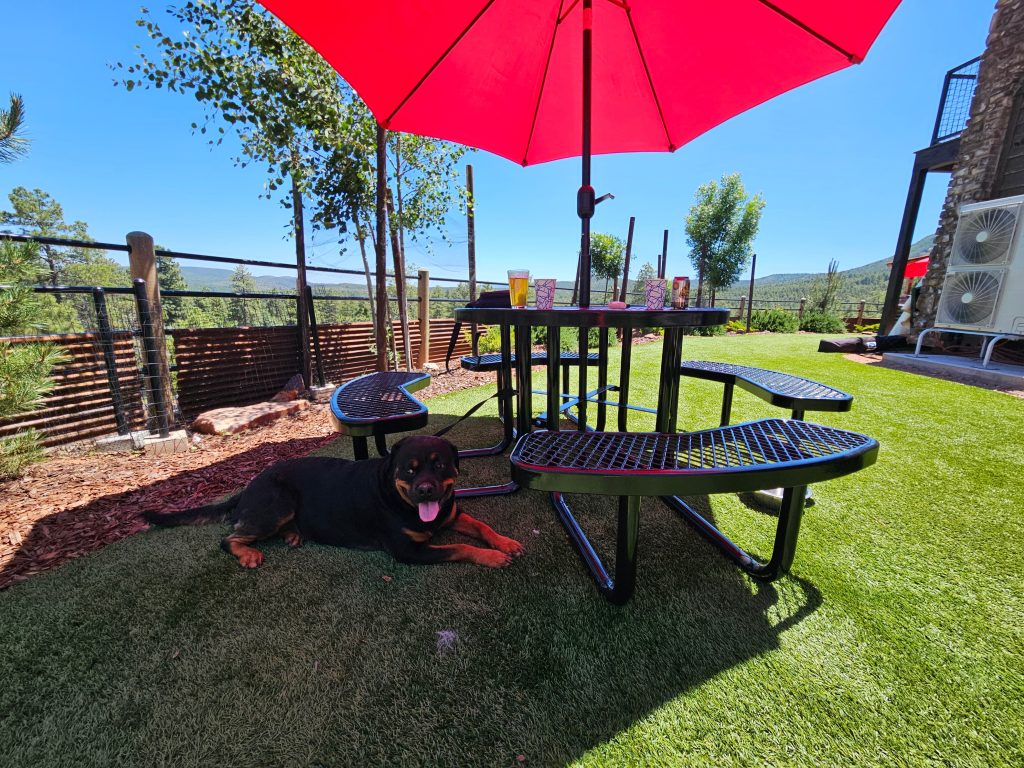
We ended up stopping at Sip at 5600, which turned out to be a fun surprise. It’s more of a coffee, wine, and deli kind of spot, so depending on when you leave camp, you may not be especially hungry yet. But the views were beautiful, there was a bluegrass band playing, and it ended up being a really enjoyable way to close out the trip.
FAQ : Blue Ridge Reservoir Camping
Camping around Blue Ridge Reservoir includes both developed campgrounds and dispersed camping. This guide focuses on dispersed camping in the surrounding Coconino National Forest, where forest roads lead to more secluded sites away from formal campgrounds.
The best time to visit Blue Ridge Reservoir for camping is late spring through early fall (May–September), when temperatures are milder than the desert and the higher elevation makes camping more comfortable.
A four-wheel-drive vehicle is recommended for accessing more secluded dispersed camping spots deeper off the main road, although a standard car can still reach many sites if you stay closer to main forest roads.
Cell service is very limited in the dispersed camping areas near Blue Ridge Reservoir, so it’s smart to download offline maps before you go.
Besides camping, the Blue Ridge Reservoir area is great for swimming, kayaking, paddleboarding, fishing, and nearby hiking.
Not necessarily. Some roads closer to the water have posted restrictions. If you want dispersed camping near Blue Ridge Reservoir, it’s best to follow posted signs on the ground and stay flexible about how close your site ends up being.
Black bears are part of Coconino National Forest, so it’s smart to store food, trash, and scented items carefully even if you never see one.
Final Thoughts
Blue Ridge Reservoir is one of the best camping escapes I’ve found within a manageable drive from Phoenix. Between the forested dispersed campsites, calm water, cooler temperatures, and quieter feel, it offers a kind of reset that can be hard to find in Arizona’s more crowded outdoor destinations.
What makes it especially appealing is that it can work for different kinds of weekends. You can keep it simple and peaceful, spend more time at the reservoir, build in a hike, or just enjoy having enough space to actually relax at camp.
If you decide to camp here, be respectful of the area and of the other people who came looking for the same peace and quiet. Places like this stay special when people treat them that way.
If you’re looking for a beautiful, forested camping trip with water access and a little more breathing room than the usual weekend spots, Blue Ridge Reservoir is absolutely worth considering!
Time for Your Adventure
Have you camped here, or is it on your list? I’d love to hear about your experience or plans in the comments. And if this guide helped you plan your trip, I’d be so grateful if you shared it with a fellow adventurer.
@thedisperseddietitian #thedisperseddietitian
Additional Resources:
If you’re planning more off-grid escapes, these are a few great places to keep exploring next—from another forested Arizona camping guide to practical car camping gear tips and make-ahead meal ideas that make camp cooking easier.


Want even more ideas for elevated camping trips, off-grid locations, and food-forward outdoor adventures? Explore the full blog here.
hi, was wondering if people take their rv’s or travel trailers to disperse camp here? How far back can one go with a travel trailer?
Hi Andrew, yes! We saw several travel trailers and RVs on FR 751 earlier on. The main road was in pretty good shape during our visit, and even the spur roads were very manageable. The bigger consideration will be whether an individual campsite has enough space to maneuver and fit your trailer. Our specific site may be too tight depending on your trailer size, but there were plenty of roads/sites you should be able to explore. Also FYI, there was a “No Camping Beyond This Point” sign farther down FR 751 when we were there, so it didn’t appear you could camp too close to or within view of the reservoir itself. Most sites are tucked back in the forest, though some still have nice views. Hope that helps. Keep us posted!